Is a Tea Franchise a Good Business in 2026? Risk, Growth & Long-Term Potential
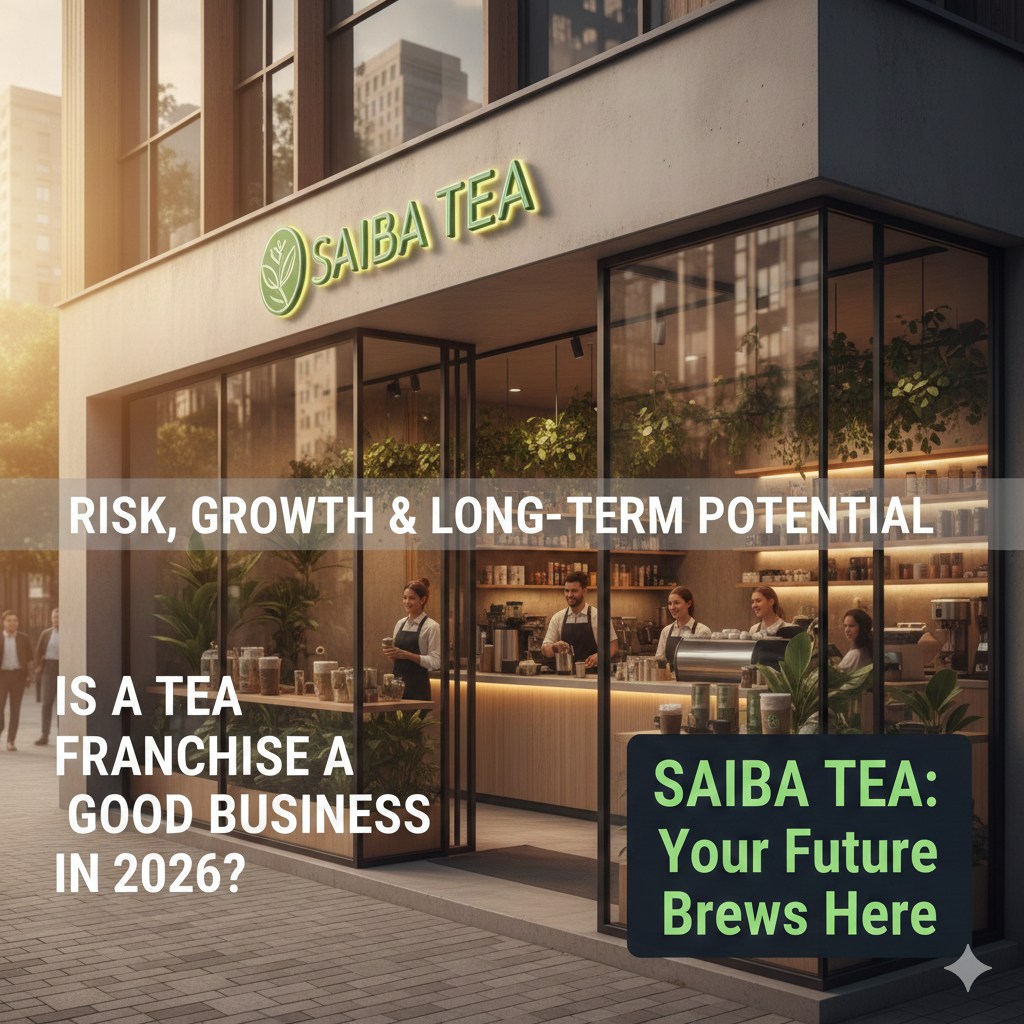
Is Tea Franchise a Good Business in 2026? Profit, Risk & Growth
Is a tea franchise profitable in 2026? A detailed analysis of risks, growth potential, ROI, and why tea franchises remain one of India’s safest businesses.
Introduction: Why This Question Matters in 2026
As India enters 2026, entrepreneurs are becoming more cautious, data-driven, and ROI-focused. Rising costs in cafés, food delivery saturation, and unpredictable consumer trends have forced investors to ask:
Is a tea franchise still a good business in 2026?
The short answer: Yes—when done with the right brand, location, and model.
The long answer is detailed below.
Market Outlook: Tea Industry Growth in 2026
India remains the second-largest tea producer and consumer in the world. Tea consumption is no longer limited to habit—it has evolved into a structured, branded retail business.
Key Growth Indicators
Daily tea consumption growing steadily year-on-year
Organized tea franchises replacing unbranded roadside stalls
Expansion into Tier 2 & Tier 3 cities
Rising demand for hygienic, branded tea outlets
Tea is recession-resistant, inflation-stable, and culturally embedded.
Why Tea Franchises Outperform Other Food Businesses
Structural Advantages
Low raw material cost
High daily consumption
Fast service cycle
Simple operations
Low wastage
Strong repeat customers
These fundamentals remain intact in 2026.
Investment vs Return: Tea Franchise Economics (2026)
Parameter Tea Franchise Café / QSR
Investment ₹5–12 Lakhs ₹25–50+ Lakhs
Avg Monthly Profit ₹1–2.5 Lakhs ₹80k–₹1.8 Lakhs
ROI Period 6–12 months 18–36 months
Risk Level Low Medium–High
From a capital efficiency standpoint, tea franchises are superior.
Risk Analysis: What Are the Real Risks in 2026?
⚠️ Common Risks
Poor location selection
Inconsistent taste
Weak franchise support
High local competition
✅ How Risks Are Mitigated
Strong brands like Saiba Amruttulya address these through:
Location assistance
Standardized recipes
Central raw material supply
Training & operational support
In 2026, brand-driven tea franchises are significantly safer than independent outlets.
Growth Potential: Where the Next 5 Years Are Headed
High-Growth Areas
Tier 2 & Tier 3 cities
Highway-facing outlets
Office clusters
Industrial zones
Residential-commercial markets
Tea demand grows with population—not trends—making it future-proof.
Long-Term Sustainability of Tea Franchises
Tea is not a fad. It is:
Habit-driven
Weather-independent
Age-neutral
Income-neutral
Franchises that align with traditional taste + hygienic presentation will dominate long-term.
Why Saiba Amruttulya Is Well-Placed for 2026 & Beyond
✔ Strong Amruttulya heritage
✔ Optimized cost structure
✔ High-margin tea formulations
✔ Strong acceptance in small cities
✔ Proven franchise scalability
✔ Efficient backend support
Saiba’s model is designed for long-term franchise success, not short-term hype.
Tea Franchise vs Other Investment Options (2026)
Business Type Stability ROI Speed Risk
Tea Franchise High Fast Low
Café Medium Slow Medium
Cloud Kitchen Medium Medium High
Retail Store Medium Slow Medium
Tea franchises offer the best risk-to-return ratio.
Who Should Invest in a Tea Franchise in 2026?
Ideal for:
First-time entrepreneurs
Small business investors
Family-run businesses
Retiring professionals
Individuals seeking stable cash flow
Final Verdict: Is a Tea Franchise a Good Business in 2026?
✔ Yes—if you choose:
A proven brand
Right location
Low-investment model
Strong operational support
Tea franchises remain one of India’s most reliable and scalable business opportunities in 2026.
With the right partner, the risks are controlled and returns are predictable.
Start Your Tea Franchise Journey Today
Official Website: www.saibaamruttulya.com
Franchise Enquiry: 8483974666 | 9579717289
Email: franchise@saibaamruttulya.com
Saiba Amruttulya — Brewing Profitable Futures, One Cup at a Time
